

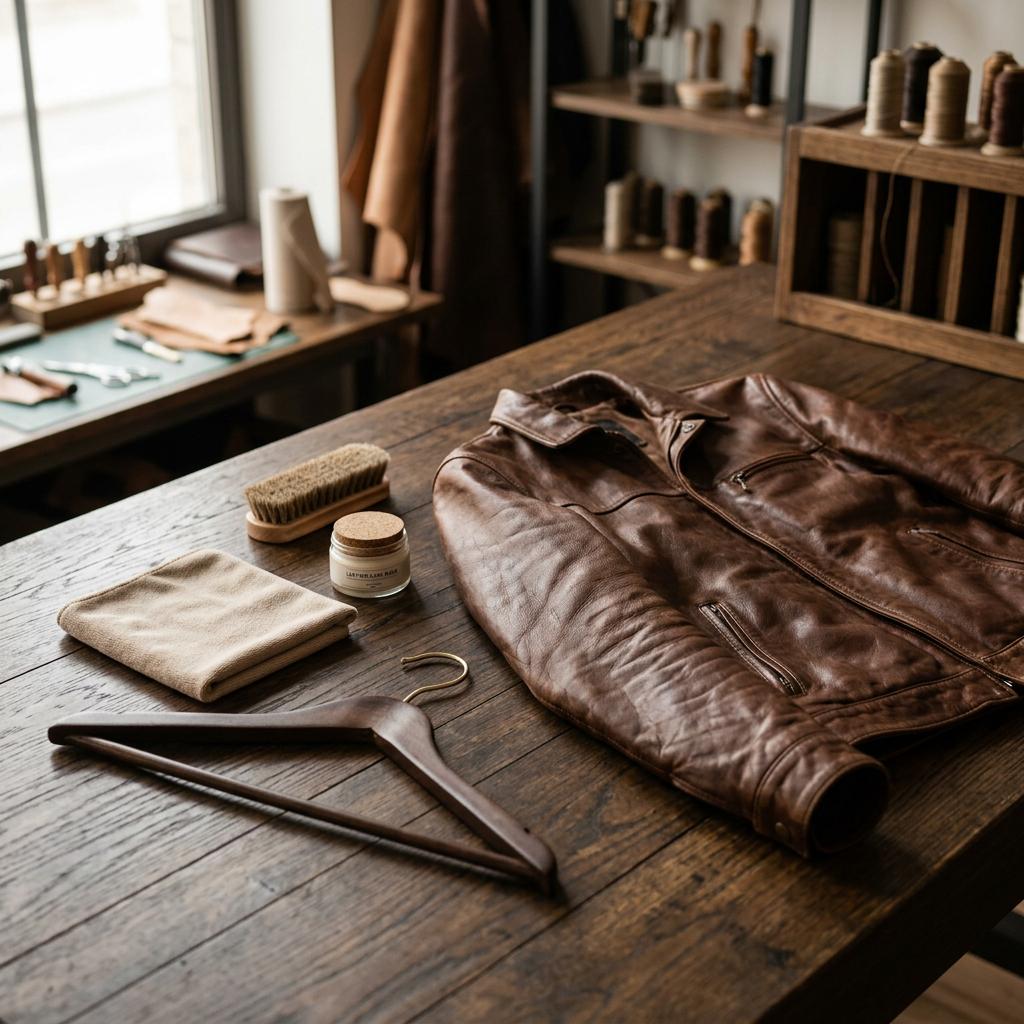
How to Care for a Leather Jacket: Cleaning, Conditioning, Storage and Maintenance Guide
A genuine leather jacket is more than a seasonal fashion piece. With the right care, natural leather can maintain its appearance, feel, and character for years while developing the distinctive patina that makes each jacket increasingly personal. Whether you own a men's leather jacket, a women's leather jacket, a classic biker jacket, a bomber, a vintage-style coat, or another handmade leather design, proper maintenance begins with understanding how natural leather responds to moisture, heat, sunlight, cleaning products, and storage. The good news is that leather jacket care does not have to be complicated. A few simple habits can make a significant difference. This guide explains how to clean a leather jacket, when to condition it, how to store leather outerwear, what to do when leather gets wet, and which common mistakes to avoid.
Why Proper Leather Jacket Care Matters
Genuine leather is a natural material. Unlike synthetic fabrics, it can change over time as it is exposed to movement, moisture, sunlight, and everyday wear. That is part of its appeal. A well-maintained genuine leather jacket can develop subtle changes in texture and color that contribute to its character. However, neglecting leather can lead to unnecessary dryness, surface damage, staining, or deformation. Regular maintenance helps you:
- Keep the leather looking clean and presentable
- Reduce unnecessary drying of the surface
- Protect the natural texture of the leather
- Maintain the jacket's overall appearance
- Prevent avoidable damage from improper storage
- Extend the useful life of your leather outerwear
Leather care is therefore less about constantly treating your jacket and more about avoiding the things that damage it.
How to Clean a Leather Jacket
One of the most common questions leather owners ask is: How do you clean a leather jacket? For everyday dust and light surface marks, the safest approach is usually simple.
Start With a Soft Cloth
Use a clean, soft, slightly damp cloth to gently wipe the surface. Do not aggressively scrub the leather. Excessive friction can affect the surface finish, particularly on softer leather such as lambskin. After wiping, allow the jacket to dry naturally.
Avoid Household Cleaning Products
Regular detergents, bleach, alcohol-based cleaners, and household surface sprays are not designed for leather. They can potentially affect the leather's finish, color, or natural feel. Instead of experimenting with household products, use a leather-specific cleaning product appropriate for your particular leather.
Always Test First
If you are using a new leather cleaner or conditioner, test it on a small, inconspicuous area before applying it across the jacket. This is especially important with colored leather because different finishes can react differently to cleaning products.
How to Condition a Leather Jacket
Leather conditioning is another important part of long-term leather jacket maintenance. A suitable leather conditioner can help maintain the leather's feel and reduce excessive dryness. However, more conditioner does not necessarily mean better care.
Use Conditioner Sparingly
Apply a small amount of an appropriate leather conditioner according to the product's instructions. Work gently and evenly rather than saturating the leather. Allow the conditioner to absorb naturally and follow the recommended drying time.
How Often Should You Condition a Leather Jacket?
There is no single schedule that applies to every jacket. The ideal frequency depends on factors such as:
- Leather type
- Climate
- Frequency of wear
- Exposure to moisture
- Storage conditions
- Existing finish on the leather
Instead of conditioning automatically every few weeks, pay attention to the leather's appearance and feel and follow the recommendations for your specific leather and conditioner.
How to Protect a Leather Jacket From Water
One of the most important leather care rules is to avoid unnecessary exposure to water. Leather and heavy moisture are not a good combination. That does not mean a few drops of rain will automatically ruin a jacket. The important thing is how you respond.
What to Do If Your Leather Jacket Gets Wet
If your jacket becomes wet:
- Gently remove excess moisture with a soft cloth.
- Hang the jacket on a suitable broad hanger.
- Allow it to dry naturally at room temperature.
- Keep it away from radiators, heaters, hair dryers, and other direct heat sources.
- Do not place it in a clothes dryer.
- Once completely dry, follow appropriate leather-care guidance if conditioning is necessary.
The most important rule is simple: Do not try to speed up the drying process with intense heat. Rapid heating can affect natural leather and may cause unwanted changes to its surface.
Never Dry a Leather Jacket With Direct Heat
This is one of the most common leather-care mistakes. It can be tempting to place a wet jacket near a heater or use a hair dryer, especially during colder weather. Avoid doing this. Direct heat can dry natural leather too aggressively and may affect its texture, finish, or shape. Instead, allow your leather outerwear to dry gradually in a well-ventilated area away from direct heat. Patience is much safer than trying to force the process.
How to Store a Leather Jacket Properly
Correct storage is just as important as cleaning. If you are not wearing your leather jacket for several weeks or months, give some thought to where and how it is stored.
Use a Proper Hanger
A sturdy, broad-shouldered hanger is preferable to a thin wire hanger. A suitable hanger helps the jacket maintain its shape and reduces unnecessary stress around the shoulders.
Give the Jacket Room
Avoid crushing a leather jacket between tightly packed garments. Leather benefits from having enough space around it for air circulation.
Choose a Cool, Dry Location
Store your jacket somewhere cool and dry, away from excessive humidity and direct sunlight. Avoid leaving leather outerwear in locations where temperatures or humidity fluctuate significantly.
Avoid Plastic Storage Bags
Long-term storage in an airtight plastic bag is generally not ideal for leather. A breathable garment cover is a better option when additional protection from dust is needed.
How to Protect Leather From Sunlight
Prolonged exposure to strong sunlight can affect the appearance of leather. This is particularly important for colored jackets. A brown leather jacket, black leather jacket, or other dyed leather garment can gradually experience changes in appearance when repeatedly exposed to intense sunlight. For everyday wear, this is not usually something to worry about excessively. For storage, however, keep the jacket away from direct sunlight and choose a shaded location.
Different Leather Types May Need Different Care
Not every leather jacket should be treated exactly the same way. The appropriate care can vary depending on the leather used and the finish applied to it. For example, softer leathers may require a gentler approach than heavier leather. This is why understanding your jacket's actual material matters before choosing a cleaner, conditioner, or other treatment. If you are unsure which care product is suitable, check the manufacturer's recommendations or contact the seller before applying anything unfamiliar. For shoppers comparing different natural leather options, our guide on [Lambskin vs Sheepskin vs Cowhide Leather: Which Jacket Is Right for You?] can help explain how these materials differ.
How to Remove Small Marks From Leather
For light surface marks, start with the least aggressive method. Use a soft cloth and gently wipe the affected area. Do not immediately reach for strong cleaning chemicals. If the mark does not come away easily, repeated rubbing can sometimes cause more harm than the original mark. For significant stains, oil marks, ink, deep discoloration, or other difficult damage, professional leather cleaning may be the safer choice.
What Not to Do With a Leather Jacket
Knowing what not to do can prevent many common leather problems. Avoid:
- Machine washing a leather jacket
- Putting leather in a tumble dryer
- Using bleach
- Using ordinary laundry detergent
- Scrubbing aggressively
- Applying unknown chemicals
- Leaving leather soaked in water
- Drying leather directly against a heater
- Using excessive conditioner
- Storing leather in a cramped space
- Leaving leather exposed to strong sunlight for long periods
Leather generally responds better to gentle, consistent care than aggressive cleaning.
How Often Should You Clean a Leather Jacket?
A leather jacket does not need to be deeply cleaned after every wear. For most everyday situations, simply allowing the jacket to air out and gently wiping away surface dust is sufficient. More intensive cleaning should be based on actual need rather than a rigid schedule. If the jacket has visible dirt, staining, or an unpleasant buildup, address the problem appropriately rather than repeatedly applying cleaning products when there is no reason to do so. The goal is to maintain the leather without over-treating it.
How to Keep a Handmade Leather Jacket Looking Its Best
Handmade leather jackets have an additional quality that makes proper care worthwhile: natural leather variation. Small differences in grain, texture, and color are normal characteristics of genuine leather. These differences contribute to the individuality of each garment. Rather than trying to make natural leather look completely uniform, good leather care is about preserving its existing character. That means: Clean gently. Condition appropriately. Avoid unnecessary moisture. Keep away from direct heat. Store correctly. Simple habits can go a long way.
Building a Long-Term Leather Care Routine
You do not need an elaborate maintenance routine. A practical approach is:
After Wearing
Hang the jacket properly and allow it to air out if necessary.
When Dust Appears
Gently wipe the surface with a soft cloth.
When the Leather Needs Conditioning
Use a suitable leather conditioner according to its instructions.
When the Jacket Gets Wet
Dry it naturally away from direct heat.
During Long-Term Storage
Use a suitable hanger, breathable cover, and cool, dry storage location away from direct sunlight. This simple routine can help you avoid many of the most common leather-care mistakes.
A Well-Cared-For Leather Jacket Gets Better With Time
One of the reasons people choose genuine leather is its ability to develop character through wear. A leather jacket does not necessarily need to look exactly the same years after purchase. Natural changes in grain, texture, and appearance can become part of the story of the garment. The objective of leather care is not to stop every natural change. It is to prevent avoidable damage while allowing the material to age naturally. Whether you own a vintage leather jacket, a motorcycle-inspired style, a classic everyday jacket, or another handmade leather design, consistent care can help preserve the qualities that made you choose leather in the first place. If you're exploring your next handmade leather jacket, take a look through the Leather Ride collection for designs made for everyday wear and timeless personal style. And if you're still deciding what style suits you, you can also explore our guide on how to style a leather jacket for every season and occasion for practical outfit ideas.
Final Thoughts
The best leather jacket care routine is simple: clean gently, avoid harsh products, protect the jacket from excessive moisture and direct heat, condition appropriately, and store it correctly. Most importantly, understand that genuine leather is a natural material. Small changes in grain, texture, and color are part of its character rather than something that needs to be eliminated. With thoughtful care, your leather jacket can remain a dependable part of your wardrobe while developing the distinctive character that makes natural leather so appealing. At Leather Ride, we believe a handmade leather jacket should be something you enjoy wearing for years, not simply something you wear for a season. Explore our handmade leather collection and find a piece that can become part of your own story.